Author: Eliza Harper

  • Anti Inflammatory Dinners In The Middle Of Ordinary Life

    I keep telling myself I am going to start the new year gently.

    Not with a cleanse. Not with a dramatic reset. Just with dinner.

    Ready to start the new year with some anti inflammatory dinner ideas. That is what the headline version of me says. The real version of me is standing in the kitchen with leftover kale pesto in the fridge, broccoli stems I meant to roast yesterday, and a dull ache in my joints that I pretend is just bad sleep.

    These are some of my favorite recipes. They are gluten free and can be made dairy free. There are many options. I say that calmly, as if I always feel steady about food. I do not always feel steady.

    Eating fresh ingredients with natural anti inflammatory properties can help you keep winter colds at bay. Inflammation can often be managed with a healthy diet and lifestyle. If you struggle with brain fog, fatigue, and chronic pain, you can use very simple dinner meals to help reduce chronic inflammation. Quick dinners take minimal effort and rely on a small number of ingredients, so you can get a meal on the table without overthinking it.

    Quickly matters when it is 5:48pm and someone is asking if dinner is ready and I am still looking up turmeric benefits while stirring something that smells slightly too garlicky.

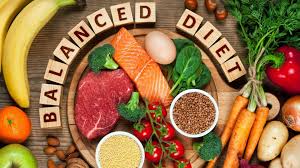
    A short list of anti inflammatory foods includes ginger and turmeric. Turmeric is rich in curcumin, which is anti inflammatory. Salmon, sardines, and tuna are packed with omega 3 fatty acids, making them a good main dish. Mushrooms produce compounds that contribute to their anti inflammatory benefits. Fresh herbs and spices like rosemary and cilantro work well in everyday cooking. Broccoli has anti inflammatory benefits. Orange, lemon, and lime are rich in vitamin C.

    Omega 3 rich foods include salmon, mackerel, sardines, anchovies, walnuts, flaxseeds, and chia seeds. Omega 3 fatty acids have anti inflammatory properties and are known to support immunity. Once chia seeds have been soaked in liquid they become gelatinous. If your gut is inflamed, this layer can soothe your gut lining and give your gut a chance to repair itself.

    I like the idea of soothing my gut lining. It feels gentle. Less punishing than the way wellness culture sometimes talks about inflammation as if it is a personal failure.

    Foods that contain vitamin C include citrus fruits, guava, tomatoes, potatoes, red and green peppers, kiwifruit, broccoli, strawberries, brussels sprouts, and cantaloupe. The vitamin C content in food is reduced by exposure to heat and prolonged storage, so you gain more benefits from eating these foods fresh and raw when you can. I try to remember that when I overcook the broccoli and it loses its snap.

    There are also foods that are naturally gut friendly. Cruciferous vegetables like broccoli, fermented vegetables like homemade sauerkraut, fish, legumes and whole grains, nuts and seeds, fruits, yoghurt, kefir, and extra virgin olive oil may help reduce inflammation by promoting a healthier gut. Most of our immune system is controlled by the gut. That sentence alone makes me pause for a second.

    And then there are the dinners.

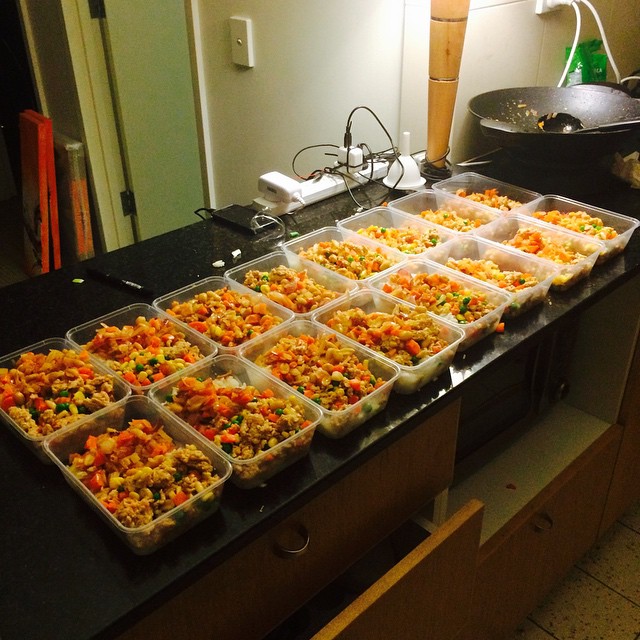
    Salmon Piccata that is light and fresh. Greek inspired ground chicken bowls that are easy to meal prep. Lemon turmeric chicken noodle soup made with fresh turmeric, ginger, vegetables, chicken, and gluten free pasta. Ground beef stir fry that is simple and cost effective. Greek lemon chicken soup that is comforting.

    One pan salmon and orzo made with salmon filets, gluten free orzo, vegetables, broth, and herbs. Orange ground chicken lettuce cups that are high protein and easy to assemble. Slow cooker golden chickpea and vegetable soup for a vegetarian option. Lemon salmon pasta with minimal ingredients. Ground chicken and broccoli as a straightforward one pan meal.

    Slow cooker chicken and broccoli with a simple sauce and vegetables. Gluten free beef stroganoff made with steak, mushrooms, and a dairy free sauce. Oven braised chuck roast cooked low and slow. Dutch oven beef stew with beef chuck roast and vegetables for cooler nights.

    Unstuffed cabbage roll that is filling. Cabbage roll dumplings as a vegetable forward take on a classic. One pan balsamic peach chicken thighs with fresh peaches, honey, and balsamic vinegar. Slow cooker balsamic chicken and vegetables for meal prep. Pad woon sen made with sweet potato glass noodles, vegetables, and chicken. Honey garlic chicken stir fry with an easy sauce.

    Nightshade free tomato soup made with carrots, beets, and butternut squash. Cast iron roasted salmon with roasted sweet potato rounds and basic steamed green beans. Ginger coconut turkey soup with basic white basmati rice. Quinoa, chickpea, and tomato soup with arugula salad and lime vinaigrette. Herb baked chicken and sweet potatoes with romaine and cilantro salad with lime olive oil dressing.

    There is nothing dramatic about these meals. No before and after. No promise that your life will change in seven days. Just salmon sizzling in a cast iron pan. Sweet potatoes soft in the oven. Ginger and coconut milk simmering into something warm, made with water that tastes cleaner thanks to a whole house water filter

    Some nights I feel proud that I chose salmon instead of takeaway. Other nights I feel tired of thinking about inflammation at all. I want to eat something beige and stop reading ingredient lists.

    The truth sits somewhere in the middle. Simple anti inflammatory dinners. Salmon, chicken, chickpeas, quinoa, brown rice, sweet potatoes, ginger, turmeric, fresh herbs. Food that is family friendly and suited to colder months. Food that is nourishing without being complicated.

    Not every meal needs to fix everything. Sometimes it is enough that it is warm, that it has broccoli and lemon, that it came from my kitchen instead of a packet.

    I am still figuring it out. Still cooking. Still dealing with fatigue some days and clarity on others. Still adding ginger to soup and hoping my gut appreciates the effort.

    Dinner does not solve inflammation in one night. It shows up again the next evening, one pan at a time.

    And for now that is where I am.

  • Beginner Cooking Tips

    LetÂ’s be honest. Cooking, especially when you’re just starting out, can feel like an ambush. (especially when you have your kidlings running around, chasing each other or trying to salvage snacks, RIGHT BEFORE DINNER)

    One moment youÂ’re standing there, hungry, reheating some noodles in a chipped mug, and the next, youÂ’re expected to understand what mise en place means, how to hold a knife properly, and why the tomato sauce you just made somehow tastes like a watery mistake. But hereÂ’s the thing that makes all of this okay: you donÂ’t need a shiny kitchen, the newest gadgets, or even an arsenal of spices. What you need, more than anything else, is a few steady tricks that actually work, some ingredients you trust, and the ability to accept that messing it up a few times is just part of how you get better.

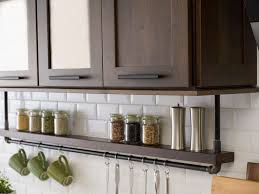
    Having a well stocked pantry might seem like a small thing, but when it comes to cooking regularly, it makes all the difference in the world. Think about what you actually use, what meals you come back to, and stock up on those staples. Olive oil, sea salt, a couple of types of pasta, canned beans like chickpeas or kidney, a jar of crushed tomatoes that didnÂ’t cost the earth, these are small things that can unlock whole meals. Throw in garlic powder and onion powder for flavour, maybe some brown rice or quinoa for substance, and a can of coconut milk for those moments when you want something creamy but donÂ’t want to fuss. Keep your pantry organized in a way that makes sense to you. Label things if it helps. Try to rotate older ingredients to the front so you actually use them before they go stale. It might not be glamorous, but it saves you from that 6pm panic where nothingÂ’s defrosted and your stomachÂ’s yelling.

    Leafy greens, while not always the headliner, can be slipped into more meals than you think without turning it into a salad situation. Spinach stirred into your pasta sauce? Easy. Kale scattered on top of homemade pizza? Surprisingly good. Collard greens sautéed next to whatever protein you’ve got? That works too. Even if the recipe doesn’t specifically call for it, your body probably will thank you.

    When it comes to kitchen tools, itÂ’s tempting to believe that you need everything you see on a cooking show, but thatÂ’s just not true. Start small and start smart. Get yourself a chefÂ’s knife that fits your hand comfortably and makes you feel safe when you use it. Add a wood or bamboo cutting board that wonÂ’t wreck your blades, a saucepan with a decent lid, and a non-stick skillet that you promise to treat gently. Use silicone or wooden utensils with it, they donÂ’t cost much and theyÂ’ll keep your cookware from turning into a flaky mess. A pair of tongs, some measuring cups, and a spatula that doesnÂ’t melt if you forget it near the burner round out the basics. You donÂ’t need more than that to cook well.

    Cooking terms can be confusing, especially when recipes throw them at you like youÂ’re supposed to already know. Broiling means heat comes from above; grilling means heat comes from below. Boiling means a full, aggressive rolling bubble, great for things like pasta or potatoes, while simmering is a gentler heat, better for soups or sauces where you want time to let flavours come together. Roasting uses dry heat to bring out the sweetness in vegetables, or to make meat crispy on the outside while staying juicy inside. Flip halfway through. And if you’re roasting meat, give it time to rest once itÂ’s out of the oven

    PS

    It keeps the juices in and stops it from drying out.

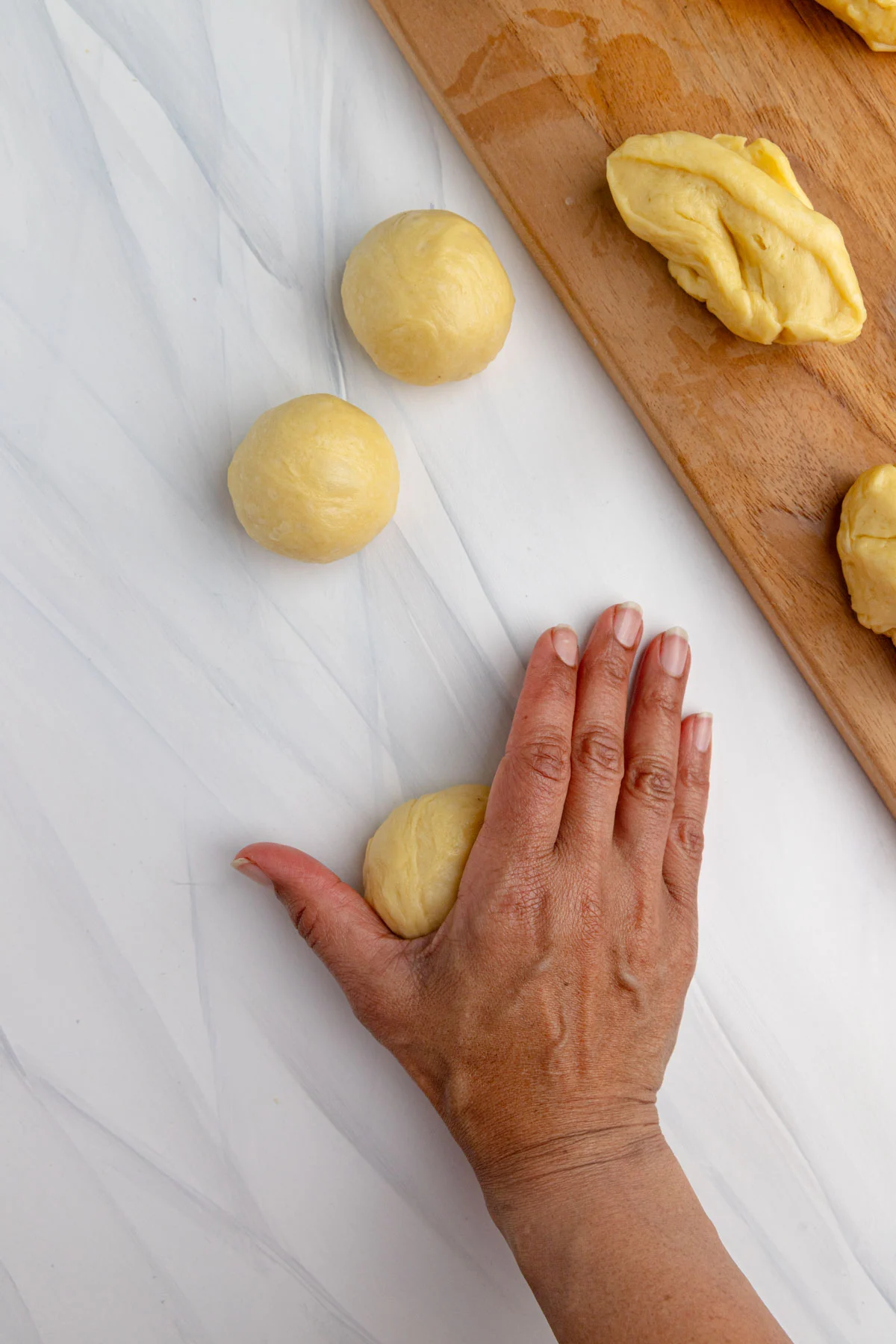
    Always read your recipe from start to finish before you begin. It sounds basic, but it’s easy to skip. Some steps take longer than you think, like letting dough rest for two hours or marinating something ahead of time. Make sure you understand what each step involves, and take a second to look up anything unfamiliar. A lot of food blogs come with videos now, and sometimes the video shows you something the written steps donÂ’t, like the texture youÂ’re looking for, or what colour the onions should be when theyÂ’re “translucent.”

    Before you even start heating your pan, set up your ingredients. This is what mise en place means: measuring out, chopping, and organizing everything youÂ’re going to need so that when things start moving quickly, you donÂ’t freeze or fumble. It cuts down on the stress, and it helps prevent silly mistakes like forgetting the garlic until itÂ’s too late to matter. And while you cook, taste as you go. This isnÂ’t baking. You have room to adjust things. Maybe it needs more garlic. Maybe it needs less salt. Maybe it just needs a splash of pasta water to bring everything together. Trust yourself and listen to your food as it cooks.

    Substitutions happen more often than we admit. You forget an ingredient or can’t find something at the store, and suddenly you need a workaround. If you’re out of raspberries, strawberries often do just fine. If romaine isn’t in your fridge, iceberg will work. Can’t find fresh herbs? Use dried—just remember the ratio: one teaspoon dried for every tablespoon fresh. It helps to keep a small cheat sheet of swaps on your fridge, just something you can glance at without digging through Google every time.

    Cooking asks for patience more than perfection. When you cram a bunch of mushrooms into a pan, they steam instead of brown. When you slice meat too early, the juices run out instead of staying put. When you try to rush a sauce, it ends up tasting flat. Give things time to do what they need to. Let the sauce simmer. Let the meat rest. Let yourself make something slow.

    Most of all, keep trying. That’s the whole thing. Practice makes dinner. Set yourself small, realistic goals—like cooking one new recipe every week or learning how to make a tomato sauce that actually tastes like tomatoes. You’ll burn things. You’ll undercook rice. You’ll forget to salt the pasta water. But over time, these become less like mistakes and more like steps in a longer learning curve. There’s a kind of quiet joy in that. Not the performative kind you post online, but the quiet joy of feeding yourself something you made with your own hands. Something that didn’t exist until you pulled it out of your pantry, chopped, stirred, and tasted.

    And if nothing goes right today? Toast with butter still counts. 🙂

  • Keeping The Kitchen Clean

    Let me be honest. I donÂ’t clean my microwave buttons as often as I should. Or the can opener. Or that weird patch behind the sink tap where crumbs disappear and multiply. But IÂ’ve started paying more attention, not because IÂ’m aiming for some perfect kitchen scene, but because IÂ’m tired of feeling a bit grossed out when I cook.

    Kitchen hygiene is more of a rythm rather then a moral virtue, itÂ’s a rhythm. It starts with washing your damn hands properlly: warm water, soap, 20 seconds, every time. Before and after raw meat. After the bin. After the dog. And a water filter really helps to achieve this. HereÂ’s the system I use if youÂ’re thinking about upgrading.

    Sponges? Bacteria playgrounds. Bleach them, microwave them, or better yet, just replace them before they become science experiments. Same deal with tea towels. If they smell like anything other than detergent, toss them in a hot wash.

    HereÂ’s a rule I stick to (because rules keep me from unraveling): raw meat stays in its own lane. Separate board, separate knife, and far from anything I actually want to eat. Red board for meat, green for veg. That colour code has saved me from accidental chicken juice disasters more than once. And raw stuff lives on the bottom shelf of the fridge.

    Here is a video to help the information really stick. Nailing what colour chopping boards with what foods i truly a game changer:

    Temperatures aren’t a suggestion. (safe minimal internal temperatures)Chicken needs to hit 165°F. Ground beef? 160. Fish? 145. Don’t guess. Use a thermometer. This isn’t the time for vibes. And food that’s been sitting out for hours? That’s not dinner. That’s bin fodder. Two hours max. Less if the weather’s warm.

    Leftovers? Label them. Date them. Store them right. If your fridge is a graveyard of mystery containers, itÂ’s time to sort your system. And donÂ’t defrost meat on the bench. ItÂ’s not 1987. Use the fridge, cold water, or microwave.

    Clean as you go. Not because you love cleaning, but because it saves you from dealing with fossilised crumbs and sticky knives later. Rinse stuff. Wipe spills. Tiny habits, less stress.

    This isnÂ’t about perfection. IÂ’m not trying to win a medal for cleanest kitchen. ItÂ’s about not getting sick. About keeping things a little more sane.

  • The Best Diet Is Any Diet

    When looking into the newest diet trends, we are bonbarded with influencers claiming that their diet has helped them overcome their wieght struggles and achieve what the most of portray as enlightenment.

    Leading the learner, to overload their brain and develop analysis of the paralysis as they try and make the perfect pick for their diet.

    All of these diets, invoke succeess stories, which led me to think that nuance in the diet itself whether being carnivore, paleo or vegetarian all share the same attribute being the removal of processed foods and artificial creations which have empeded in our diets with the rise of large corporations mass producing their carb and fat concoction (almond croissants are my downfall) leading the consumer to keep coming back for more, as attributed to the addictive properties.

    Humans are constantly looking for a narrative to grapple onto to help them feel a little more in control of this very complex world. But this tendency, can lead us to miss the main point.

    A rule which I have created to help me establish the effeciveness of a diet plan, is the more aligned the food variety is with our ancestors, the more likely you will achieve your goals coming from the diet in the first place

    Now obviosuly, the level of consumption plays a role, but as a general rule, this has served me well.

    Forgive my rant.

  • This Isnt A Wellness Story

    ThereÂ’s this quiet tug of war that plays out when youÂ’re trying to live healthy. On one side, thereÂ’s the food that feels good, that actually tastes like something your body recognises. On the other side, thereÂ’s that weird social static, the pause when someone sees you eating a salad and suddenly youÂ’re that person again, and it gets exhausting, especially when youÂ’re not trying to make a statement, youÂ’re just hungry.

    I used to be rigid, with no sugar, no processed anything, workouts six days a week. From the outside it looked like discipline, but inside, I was mentally frayed, it was the kind of clean eating that stripped joy out of my meals. Now I let it be messy, and I eat daikon bowls with creamy cashew sauce because the crunch is addictive, not because theyÂ’re low cal or because some wellness influencer said I should.

    ThereÂ’s leftover kale pesto in the fridge, and I slap it on lemony spaghetti squash not for aesthetics but because it tastes good and I canÂ’t be bothered reinventing dinner on a Tuesday. I use broccoli stems because binning them feels gross, and no, I donÂ’t always post these things, because sometimes I worry it makes me look performative, like IÂ’m angling for a badge.

    But I’m tired of pretending that enjoying healthy food makes me obsessive, or that salad has to mean struggle, this post touches on the whole ‘sad salad’ thing.. It doesn’t. It means I know what my gut likes, and I like roasted delicata squash on massaged kale, I like Heidi’s spicy green soup when I’m half functioning and need something green without chopping three different herbs. Sometimes I skip workouts, and I don’t label it as anything, I just move on because not everything needs a tag.

    And maybe thatÂ’s what balance looks like, chickpea stew cobbled from fridge leftovers, rainbow bowls eaten because theyÂ’re colourful and my kid thinks purple cabbage is magic. This isnÂ’t a transformation story. ItÂ’s just the current middle, a bit wonky, a bit wholesome, no reset buttons or redemption arcs, just me quietly eating broccoli stems and slowly getting over the noise.

  • What Changed When I Gave Up The Idea Of Perfect Eating

    I used to track everything—like, everything. Macros, micros, water intake, how many almonds I ate while standing at the pantry door pretending I wasnÂ’t snacking. I had a spreadsheet that told me exactly what I “should” be eating. I thought control meant health. And that health meant eating like some clean-eating Pinterest goddess with perfect lighting and zero digestive issues.

    Spoiler: it didnÂ’t end well.

    Somewhere between the anxiety, the 3pm crashes, and the guilt of eating a slice of banana bread that had actual sugar in it, I cracked. That moment led me to rethink my approach to gut health.

    That night was weirdly pivotal. It was the beginning of me unlearning what I thought health had to look like. Now? Most days I aim for one solid meal, one chaotic one, and one that involves leftovers I donÂ’t even heat up properly. And I feel better. Freer. Less like IÂ’m being chased by an invisible food police.

    Giving up on “perfect” eating didnÂ’t mean giving up on health. It meant finally making space for it. Because real health—at least for me—means eating in a way that supports my life, not controls it. ItÂ’s knowing that some days IÂ’ll roast veggies and others IÂ’ll eat my kidÂ’s crusts while standing at the sink.

    This shift didnÂ’t happen overnight. But it started with one honest question: Is this making me feel better, or just more in control? That question still guides me now, especially when I feel myself slipping back into old habits (like Googling if coconut yoghurt counts as a probiotic or just fancy pudding).

    If any of this sounds familiar, youÂ’re not alone. And youÂ’re definitely not failing. You’re just a human being trying to feed yourself in a world obsessed with kale and guilt.

    No meal plan required.