
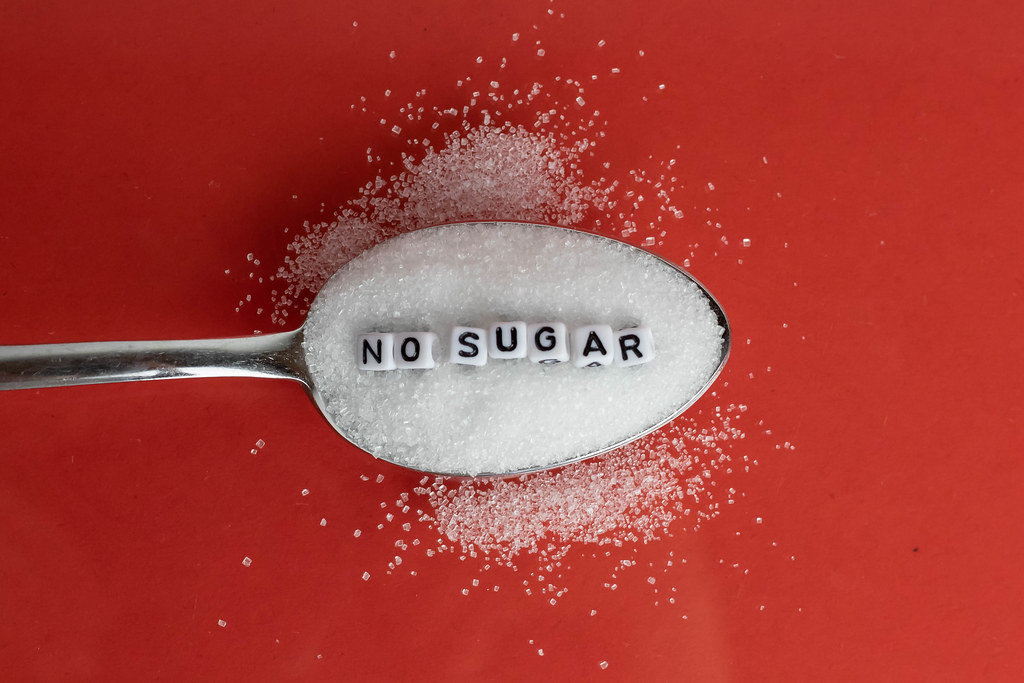
Sugar feels personal.
I say that as someone who has stood in the kitchen with a spoon in cake batter, knowing I should not taste it because of raw eggs, and still hovering there anyway. The bowl on the bench. The smear of chocolate near the handle. The quiet voice in my head doing math about grams and teaspoons while the other voice just wants the warm sweetness.
We all love sugar. It is sweet and familiar. A frosted sugar cookie shaped like a tree can undo a week of discipline in seconds, and part of me resents that and part of me does not want it any other way.
Too much of it can cause problems. Weight gain. Type 2 diabetes. Heart issues. Ramping up sugar can wreak havoc on stable blood sugar you have worked hard to cultivate. Sugar sweetened foods can zap energy levels. Eating too much sugar, especially in the evening, can make it hard to sleep. A month of cookies and treats can work against efforts to maintain a healthy weight. Taste buds adapt after a few weeks of indulging on sugary foods and drinks. If you have trained your tastebuds to enjoy foods that are less sweet, you do not always want to go back.
I hold all of that in one hand. In the other hand is a slice of cake on a small plate at nine at night when the house is finally quiet.
I am not interested in turning dessert into punishment. It is totally fine to indulge sometimes. I do not want to be the person who sucks the joy out of baking. But I am also tired of the wired feeling after too much sugar, the slight edge in my chest, the restless sleep. So I keep looking for a middle place.
One of the easiest things you can do is simply reduce the amount of sugar in your favorite recipe. You can safely reduce sugar in most recipes by 25 percent without significantly altering texture, flavor, or structure. If a recipe calls for 1 cup of sugar, try using 3 4 cup instead. Start small. Adjust gradually. Since sugar adds moisture, consider adding an extra tablespoon of liquid such as milk, water, or oil when reducing sugar significantly.
I used to think that would ruin everything. That cookies would collapse or cakes would turn into dry bricks. But sugar is not just about sweetness. It enhances flavor. It adds moisture by attracting water. It creates structure and volume when you cream it with butter. It affects texture, determining crispness in cookies or tenderness in cakes. Sugars aid browning and caramelization for that golden crust. Which means you cannot rip it out entirely and expect magic. But you can ease it down.
Some recipes are easier to adjust than others. Quick breads and muffins are forgiving because they rely on baking soda or baking powder for leavening. Cookies can handle a reduction, though they may spread less so you might press the dough slightly before baking. Cakes require more care. Reduce too much and you risk a dense or dry cake. I have done that. I have sliced into something that looked perfect and felt the slight disappointment of a tight crumb.
Most recipes already have more sugar than they need. Cutting by 25 percent or even 50 percent can still give you the benefits of sugar while letting other flavors come forward. Cinnamon. Vanilla. Chocolate. The nuttiness of whole grain flours. Overwhelming sweetness masks them. When it softens, the edges of flavor come back.
For reference, the American Heart Association recommends limiting added sugar to 25 grams per day for women and 36 grams for men. Many traditional desserts contain 20 to 50 grams per serving. A slice of chocolate cake can contain 50 grams. Lemon olive oil cake can be 36 grams. Some muffins land around 10 grams. Five grams or less per serving is typically considered low sugar. Seeing those numbers does something to me. It does not stop me from eating cake. It just makes me cut a thinner slice.
If you want to move beyond simply reducing sugar, natural alternatives can help. Natural sugars are derived from plants or fruits. They may contain minerals or trace nutrients and are less refined compared to white sugar, but they are still sugar. I remind myself of that when I reach for maple syrup and feel virtuous.
Coconut sugar has mild caramel notes similar to brown sugar and can be used 1 to 1 for granulated sugar. Turbinado or demerara sugar has a crunchy texture and light molasses flavor and works best as a topping. Maple sugar offers a maple flavor and can be used 1 to 1 where that flavor fits. I like how coconut sugar smells when it hits warm butter, almost toasted.
For liquid sweeteners, raw honey and maple syrup are common swaps. For every 1 cup of granulated sugar, use 3 4 cup liquid sweetener and reduce other liquids in the recipe by 2 to 3 tablespoons. These add moisture and work well in cakes or quick breads but may affect crisp cookies. Molasses is strong and rich and can replace part of the sugar in recipes like gingerbread, used sparingly. Too much and it takes over.
There are also commercial alternatives designed to work in a 1 to 1 ratio. Erythritol has a crystalline structure similar to sugar and can be used 1 to 1, though it does not caramelize and may have a cooling aftertaste in large amounts. Monk fruit sweetener blended with erythritol can be used 1 to 1 and works well in cakes and cookies, though browning may change slightly. Stevia blends often combine stevia with bulking agents and require checking the label for exact ratios. Xylitol can be used 1 to 1 and has a smooth flavor, but it does not feed yeast and is highly toxic to pets. I read labels in the baking aisle and sometimes feel like I am studying for an exam I never signed up for.
If you want to eliminate refined sugar entirely, unrefined sweeteners are another path. Coconut palm sugar is affordable and easy to find. Maple syrup or maple sugar is delicious, though maple sugar can be expensive. Raw honey works well in fillings, beverages, and cheesecakes, though each type has its own flavor. Dates can be turned into date paste. Two cups pitted dates blended with half a cup water will make a paste that stores for three weeks in the fridge. Substitute date paste 1 to 1 for white or brown sugar. To replace syrups, use 2 parts date paste for 1 part syrup. Date paste is thick and sticky and smells like caramel when it blends.
Coconut sugar or maple sugar can be used 1 to 1 in place of white or brown sugar. For icing sugar, blend 1 cup coconut sugar with 1 tablespoon arrowroot powder or tapioca starch. Maple syrup can replace corn syrup in beverages, whipped cream, or icings. If using maple syrup in place of sugar in a cake or bread, remove one third of another liquid in the recipe. Raw honey can replace other syrups 1 to 1 or be mixed with maple syrup for a milder flavor. For cheesecakes, you might use half coconut sugar and half honey. None of this feels revolutionary. It feels incremental.
When reducing sugar, experimentation is part of the process. Tasting dough is not an option because of raw eggs or flour, so you have to commit to the bake and see what happens. Sometimes it works. Sometimes it does not. I scrape pans, wash bowls, try again. Read comments. Others may have already adjusted the recipe and shared their results.
Size matters too. Treat yourself to a small treat. That alone can limit sugar intake while still enjoying dessert. A brownie bite instead of a slab. Two dark chocolate mendiants instead of a handful.
I do not want to be rigid about this. I do not want baking to become a performance of health where every gram is announced. I worry about that sometimes, about looking obsessive or joyless. But I also do not want to pretend that 50 grams of sugar in a slice of cake is neutral. Both things can be true at once.
Some days that looks like reducing sugar by a quarter and calling it enough. Some days it looks like coconut sugar in place of white, date paste folded into batter, dark chocolate with at least 70 percent cocoa in place of milk chocolate. The cake still rises. The edges still brown. The kitchen still smells sweet. The counter still needs wiping down.
And the sweetness is there. Just quieter. I am still figuring out what that means for me.